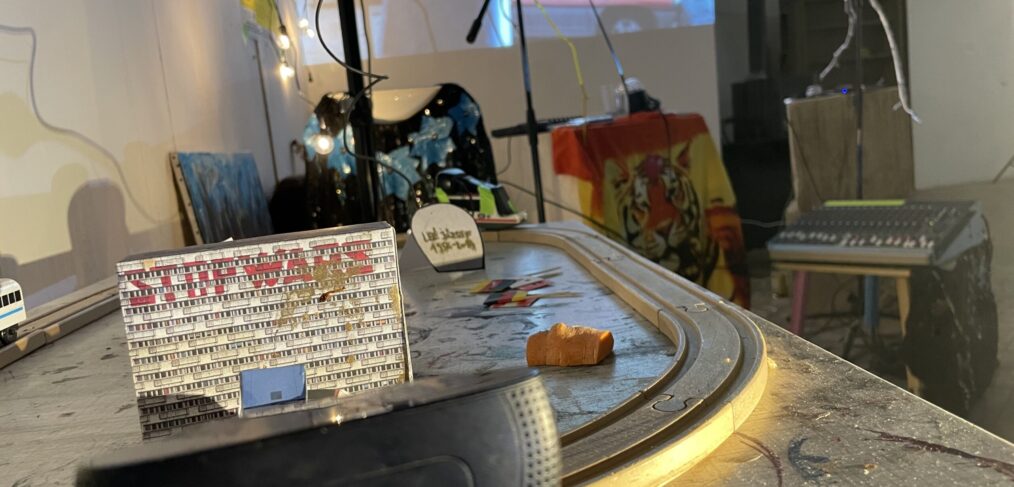
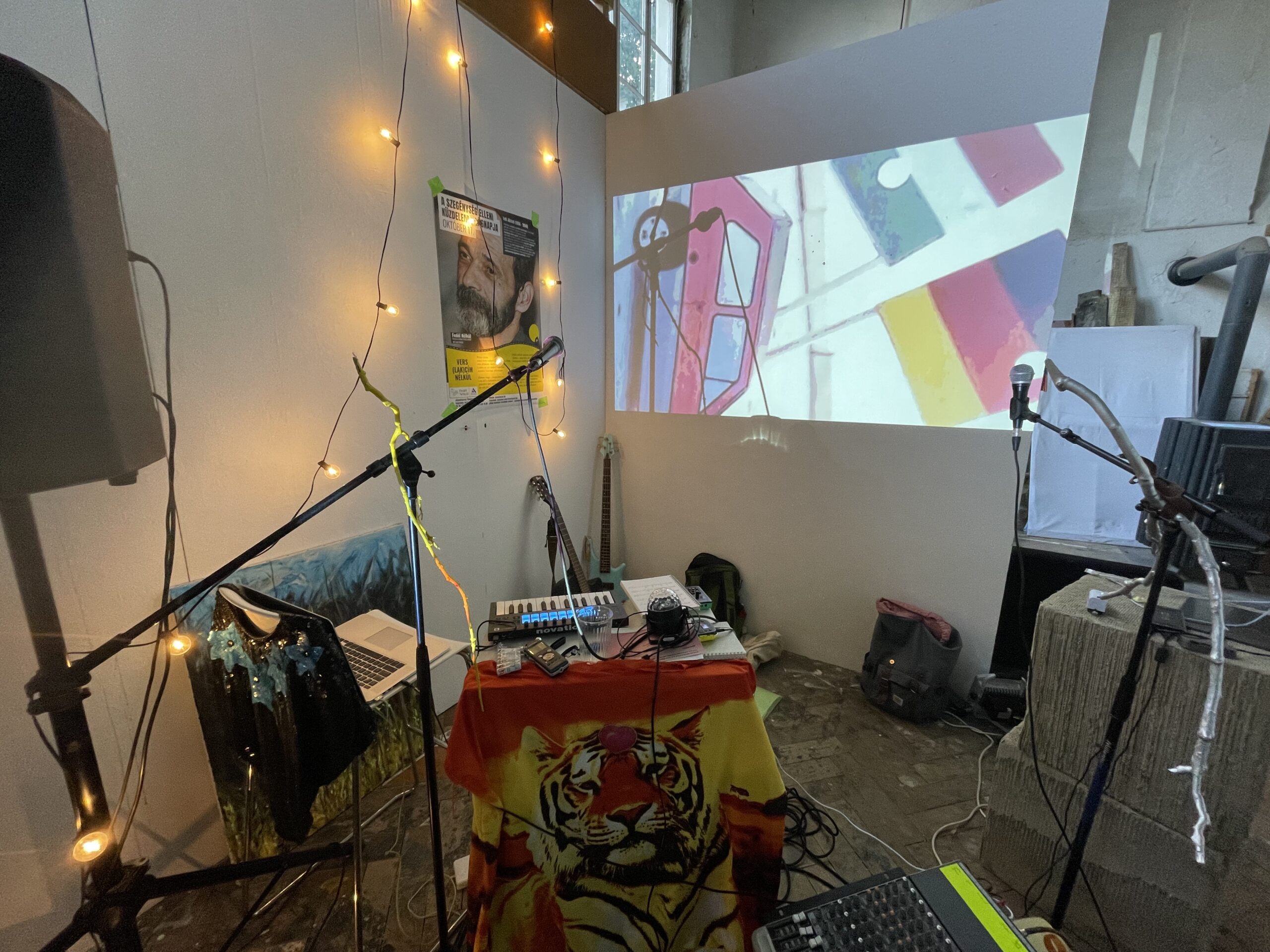
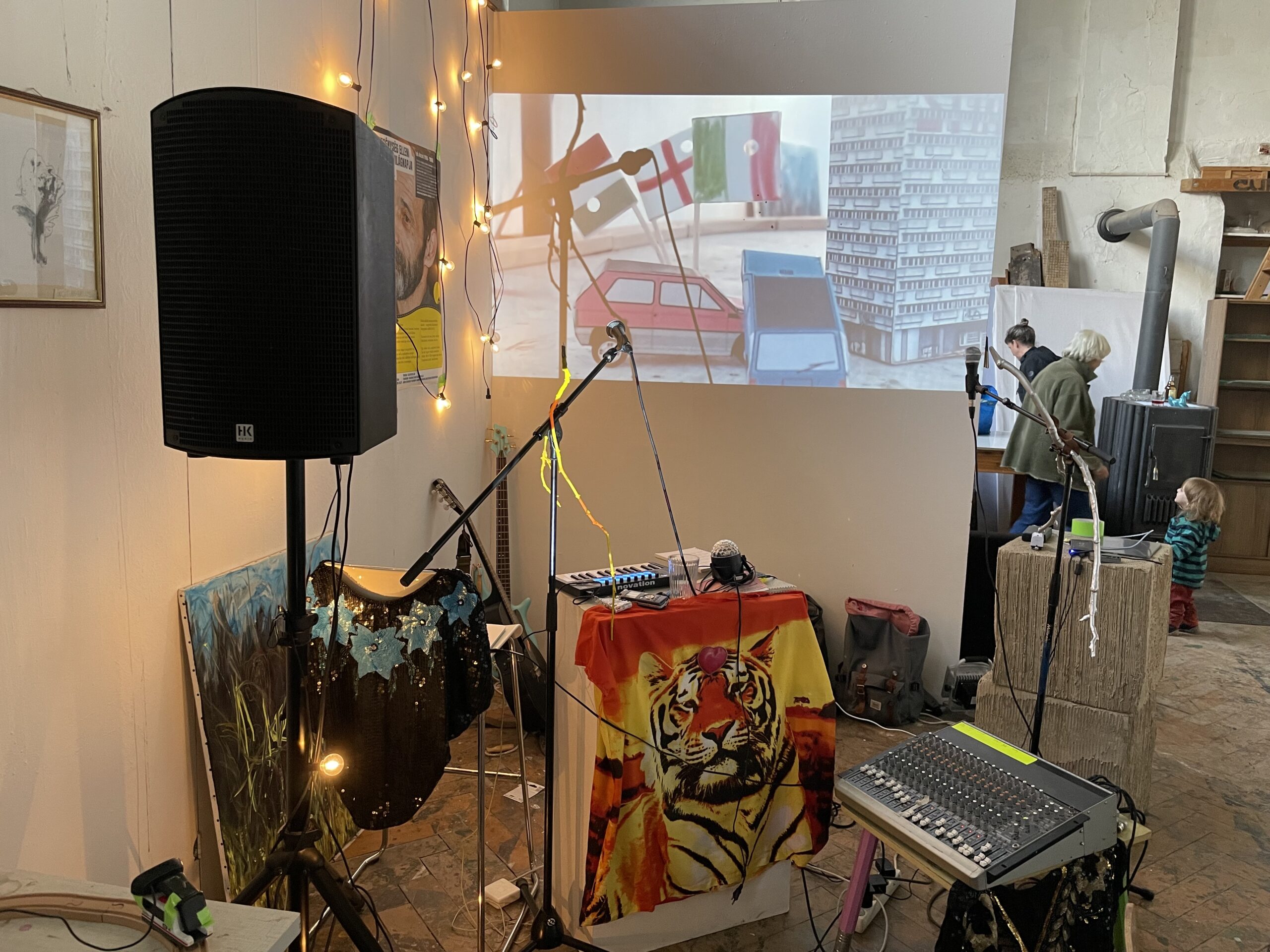
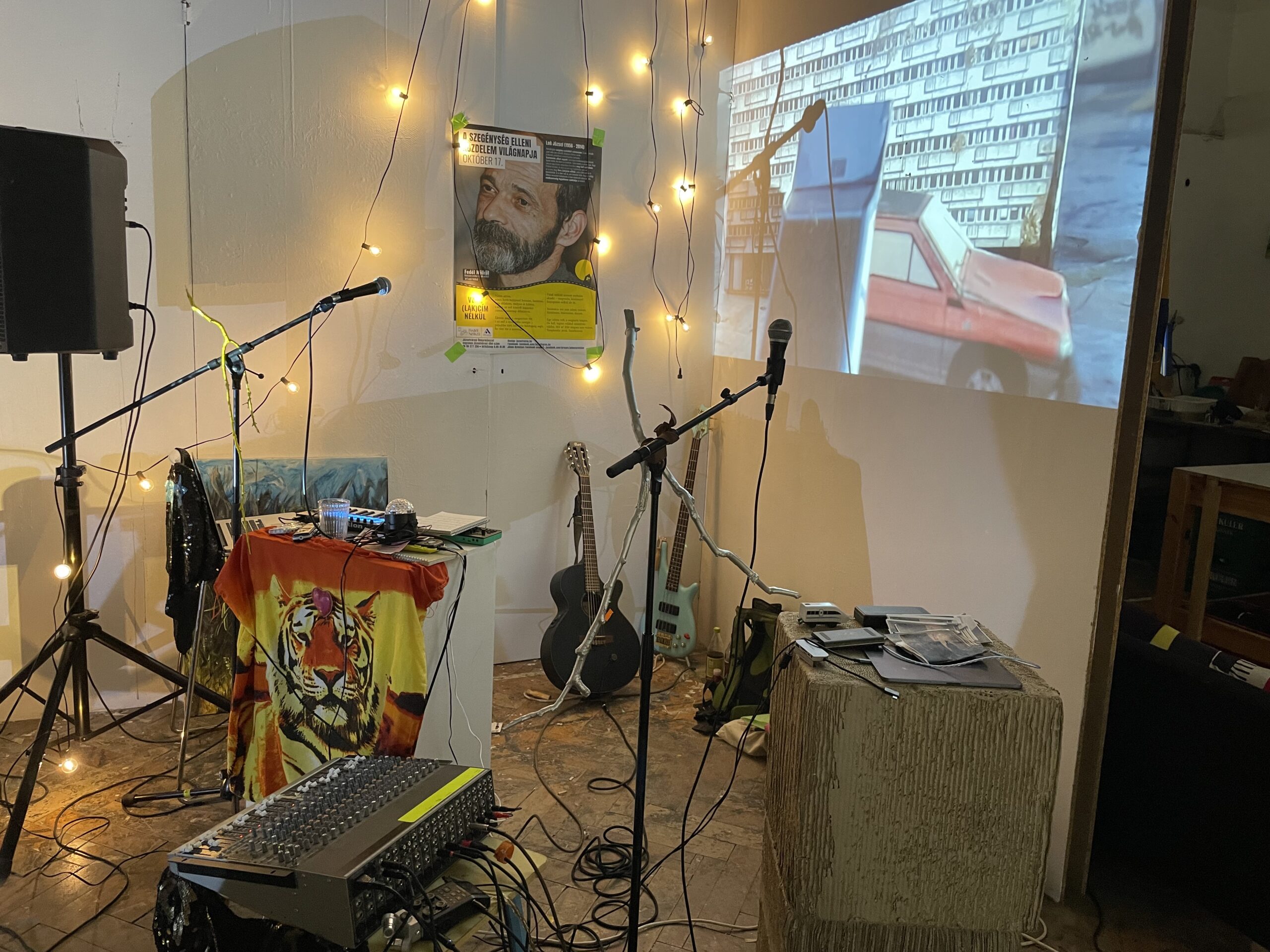
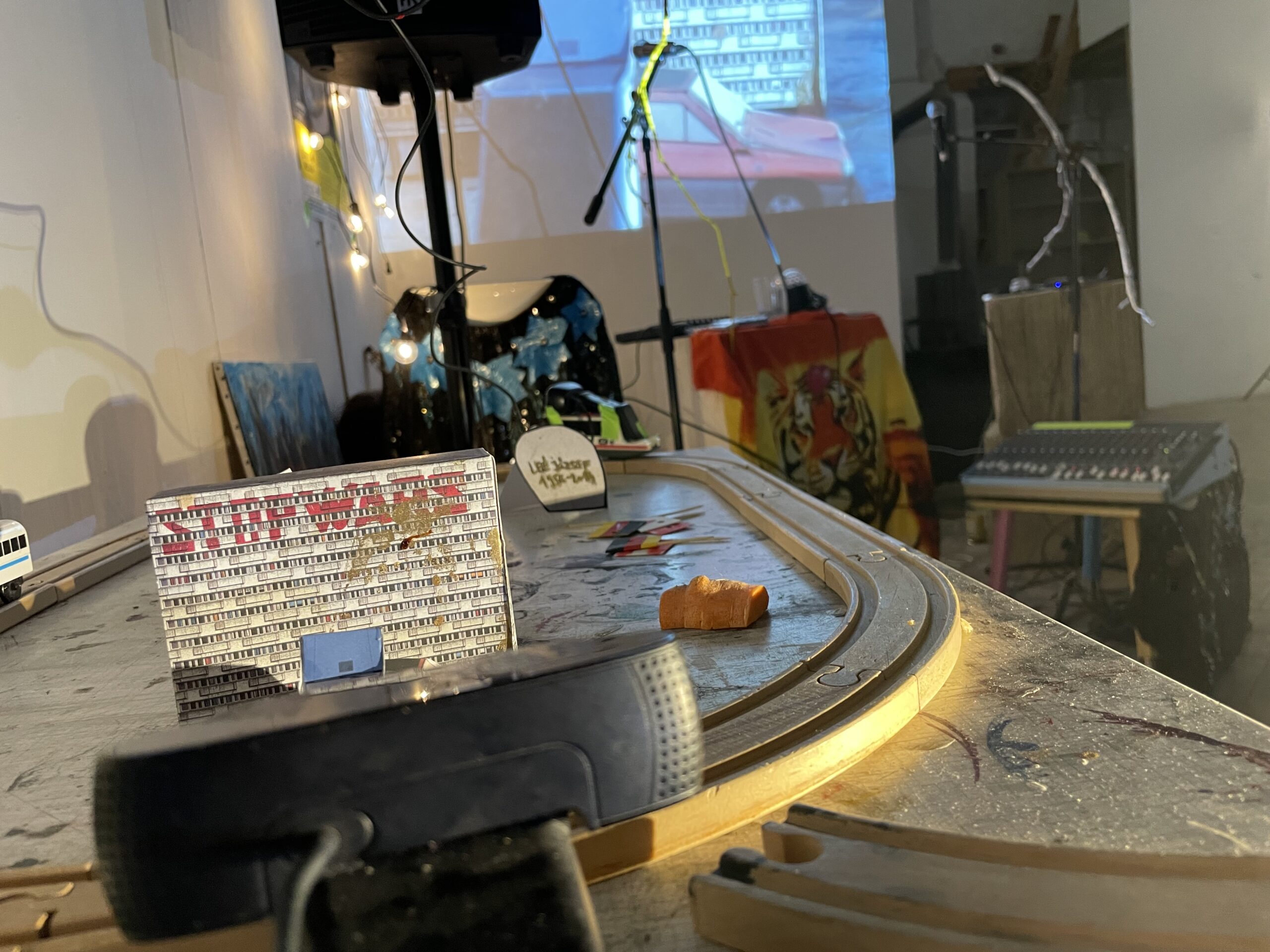
For now, we’re testing what works and what doesn’t — how far NDI can go, when the connection breaks, and when we need to switch over to Wi-Fi. We’re exploring what kinds of objects in Internép can be used for visual play. Who’s willing to hold the camera — when it’s not me — and who’s up for experimenting with it. Where should the balance and emphasis lie between art and documentation — or whether those lines even need to exist at all.
I’ve known and loved Zsófi for over 10 years. If I’m counting correctly, this is our fourth collaboration – though I might be wrong. Plus, my involvement in this one is quite minimal.
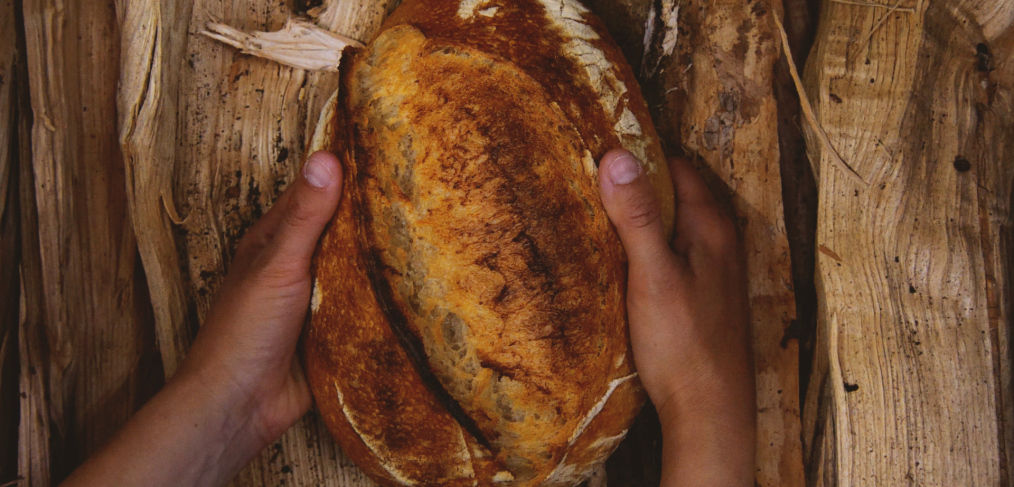
At the exhibition, you can see a video installation about bread baking, which we filmed and edited together.
As I’m writing this, I’m still not entirely sure what exactly will be on display, but one thing’s certain: Zsófi is always amazing!
The exhibition is on view at Inda Gallery from May 28 to July 4, 2025.

Actually, this isn’t the first broadcast — but it is our first attempt at figuring out what the future „TV” should look like visually. Or at least how it should look in the beginning, and then it will evolve however it evolves.
The starting point is doing live streams in street environments and layering video art over that — adding an extra dimension.
It’s a bit of a slow start, but hey, we’re not in a rush.
Recently, we promised to conduct explorations on Népszínház Street. We approach this as an open process, which anyone can join at any point. We also asked Gergő Pintér, a mathematician, to share what questions he would be curious about regarding the Népszínház Street area.
Gergő sent us these questions: Where does the perspective lead on Népszínház Street? What do up and down mean, and where are forward and backward? What messages do the umbrellas on Tolnai Street convey?
Following the designated directions, will we end up circling back via the vanishing points of Blaha and Teleki Squares? This is the path we will set out on, and we invite you to join us on this shared discovery!
Fóri asked me to help him shoot something, and at the time, I didn’t know what I was getting myself into—but I usually say yes to him because of the way he asks. We shot the green screen footage for the piece mentioned in the post title (for which I first set up a green screen at Internép). After nodding in satisfaction, I told him I’d send it over so he could handle the rest. That’s when he let me know—nope, I’m doing the post-production too.
And so, this is what came out of it—something that looks like the Mónika Show. Yay. 🙂
This was part of the presentation where the video was shown: Facebook event link.
This is a long piece. I first conceived this project back in 2017, and originally, I was supposed to work on it with my future boss, Hanna. Finkelstein’s Study started as a continuation of my thoughts on Hungary’s narrow-gauge railways. It was meant to be a bizarre performance in the spaces of Auróra.
However, I didn’t finish it in time, and as a result, it started to take on a life of its own. I think I completed the first version sometime in the fall of 2019, which was a projection script. By that, I mean a written structure where I organize visual elements around certain ideas that I intend to use in a projection.
In the meantime, Hanna moved from Auróra to the local government (where, as you know, she later became my boss), so the almost-finished material was left behind, incomplete and without a partner. From then on, once a year, I would revisit the text, tinker with it for a few days, and refine it.
This is how it gradually evolved from a projection script into something more like a literary text. At the same time, I still had a clear vision in my mind of where and how I wanted to use the visuals, and over time, I created a few sketches for them.
When Hanna left the local government to have a baby, I thought it was time to create a somewhat stable version of Finkelstein, and that became this fanzine. It is simultaneously a fanzine, a projection script, a novella, a time capsule, and a past lost in the past. It preserves the state of mind I had about the country around 2018–2019—and about that bastard (Orbán).
A5_finkelstein_dolgozoszobaja_0130_FIN
Ez egy hosszú darab. Ezt a projektet még 2017-ben gondoltam ki, és eredetileg a későbbi főnökömmel, Hannával csináltuk volna. A Finkelstein dolgozószobája a Magyarország kisvasútról továbbgondolásának indult. Egy furcsa performansz lett volna az Auróra tereiben.
Azonban nem készültem el vele időben, és emiatt elkezdett önálló életet élni. Valamikor 2019 ősze felé készültem el szerintem az első verzióval, ami egy vetítésleírás volt. Vetítésleírásnak azt a dolgot hívom, amikor gondolatok köré rendezek vizuális elemeket, amiket egy vetítésnél használni akarok.
Közben Hanna az Aurórából átment az önkormányzathoz (ahol később ugye a főnököm lett), ezért a majdnem kész anyag ott maradt torzóként és partner nélkül. Úgyhogy ezután évente egyszer ránéztem a szövegre, pár napig szöszöltem vele, és alakítottam.
Így alakult át egyre inkább vetítésleírásból valamiféle irodalmi szöveggé. Miközben vizuálisan továbbra is megmaradt a fejemben, hogy hova mit akarok, idővel gyártottam hozzá pár vázlatot is. Amikor Hanna lelépett az önkormányzattól szülni, azt gondoltam, itt az ideje, hogy egy stabil verzióban létrehozzam a Finkelsteint—és ez lett ez a fanzin.
Egyszerre fanzin, vetítésleírás, kisregény, korlenyomat és múltba veszett múlt. Azt az állapotot tartja fogva, amit 2018–19 környékén gondoltam az országról és erről a faszról (Orbán).
For years, I’ve been creating the visual elements for the “Our Common City” and “Our Common Power” conferences for the School of Public Life. This year, I received the honorable request to design a graphic for their Christmas market, which will be printed using the risograph technique. This is the final result, and I’m overjoyed that my work is being sold alongside Lili’s and Dotya’s creations at the same venue. ❤️
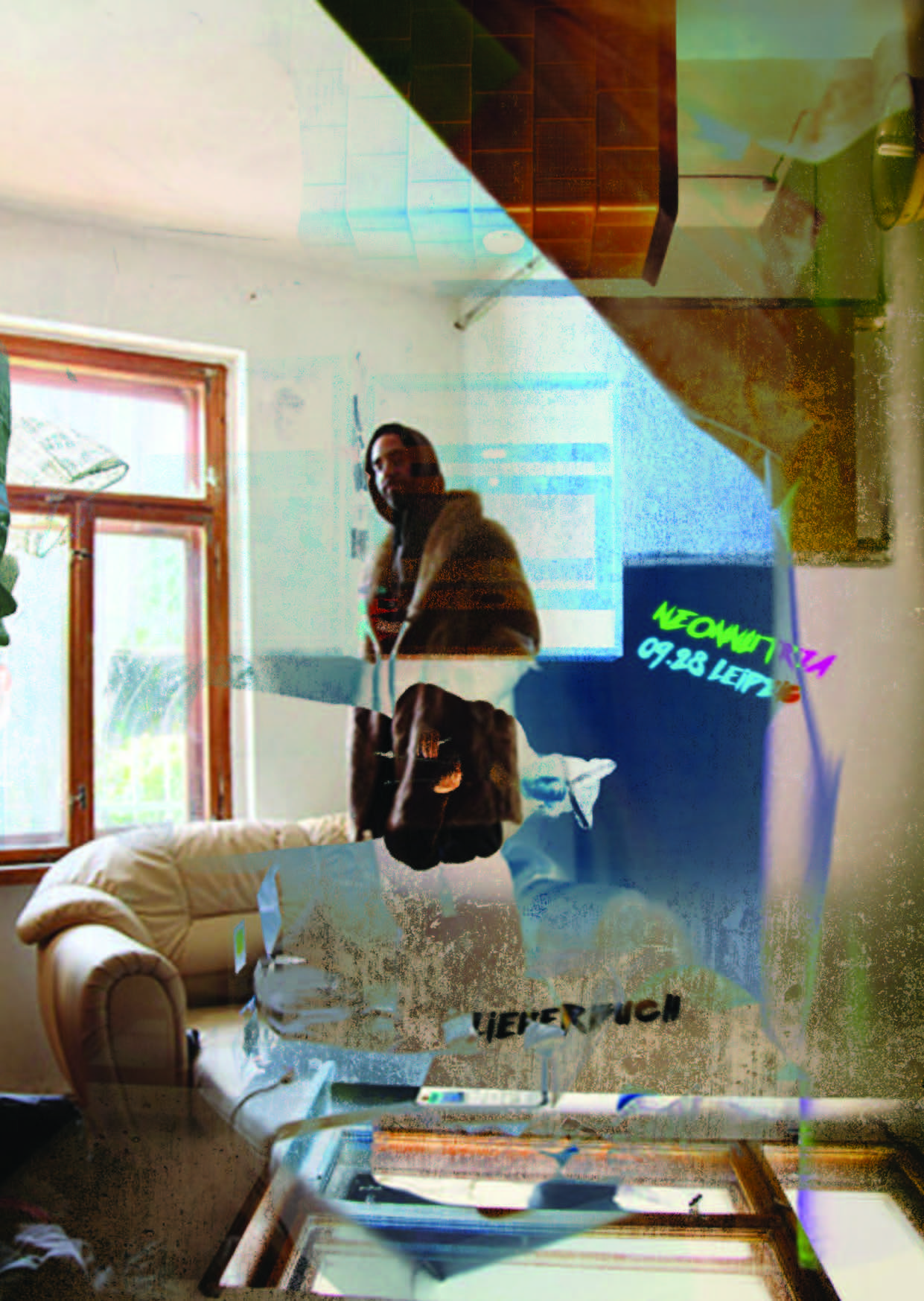
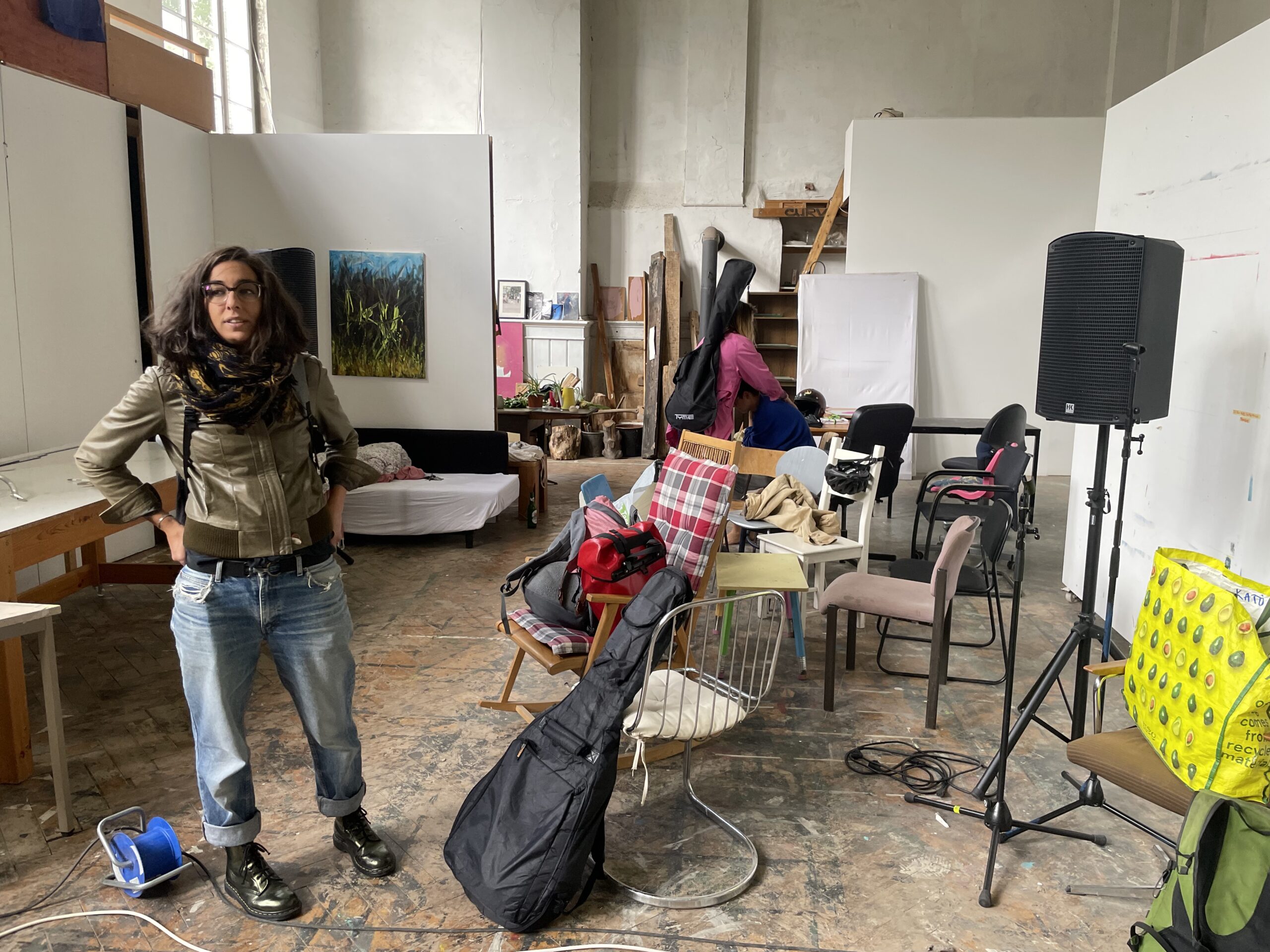
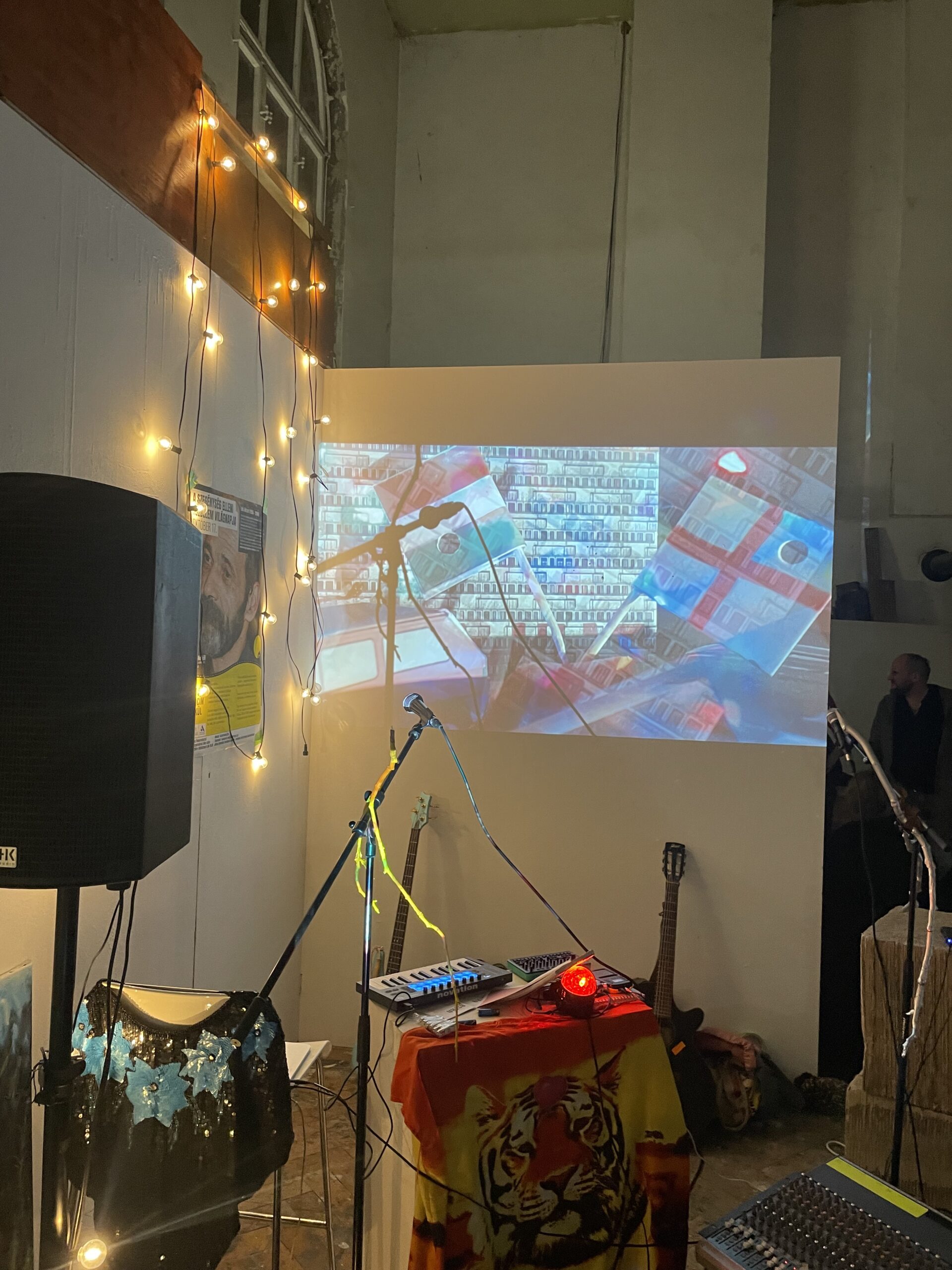
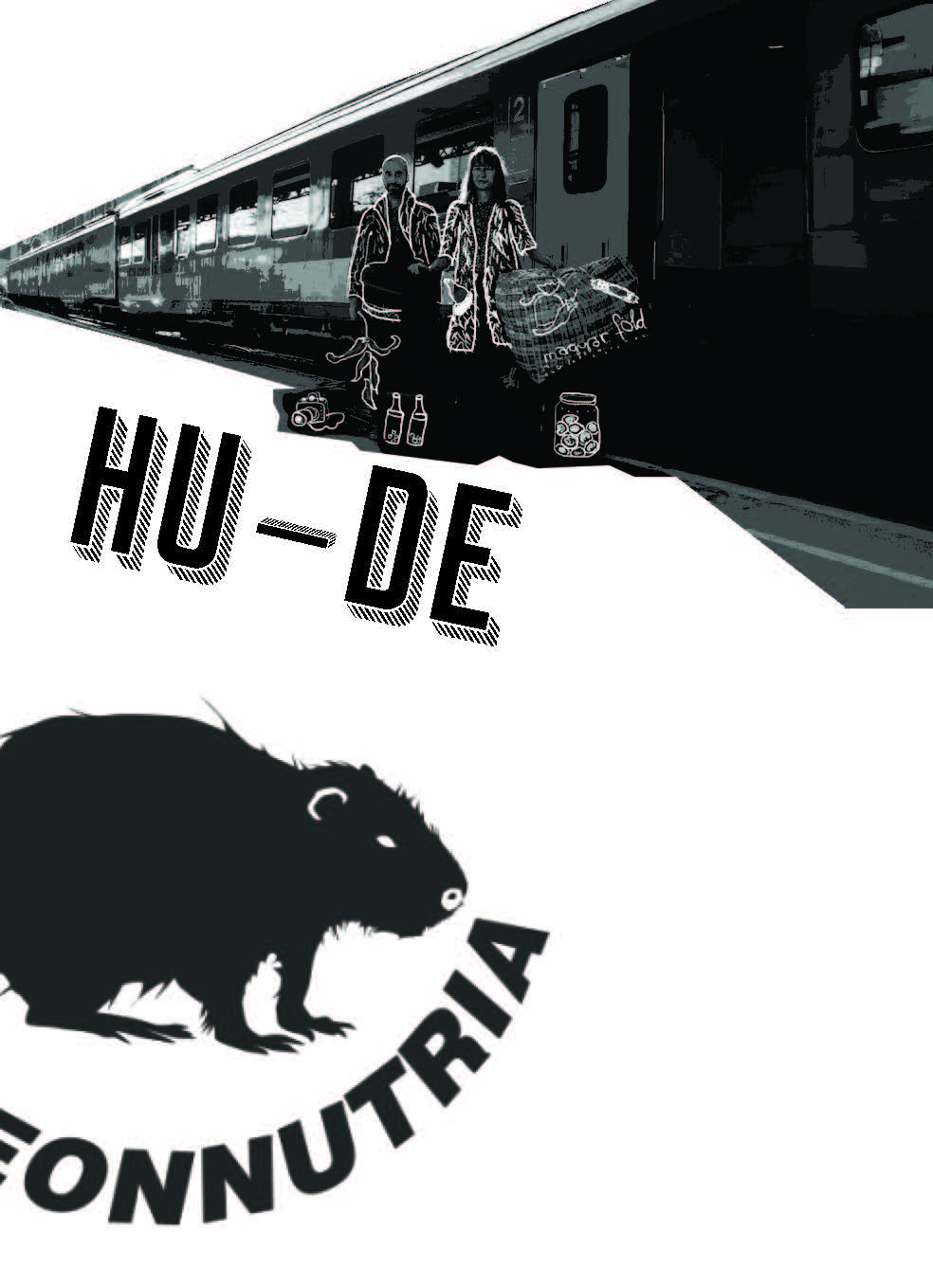
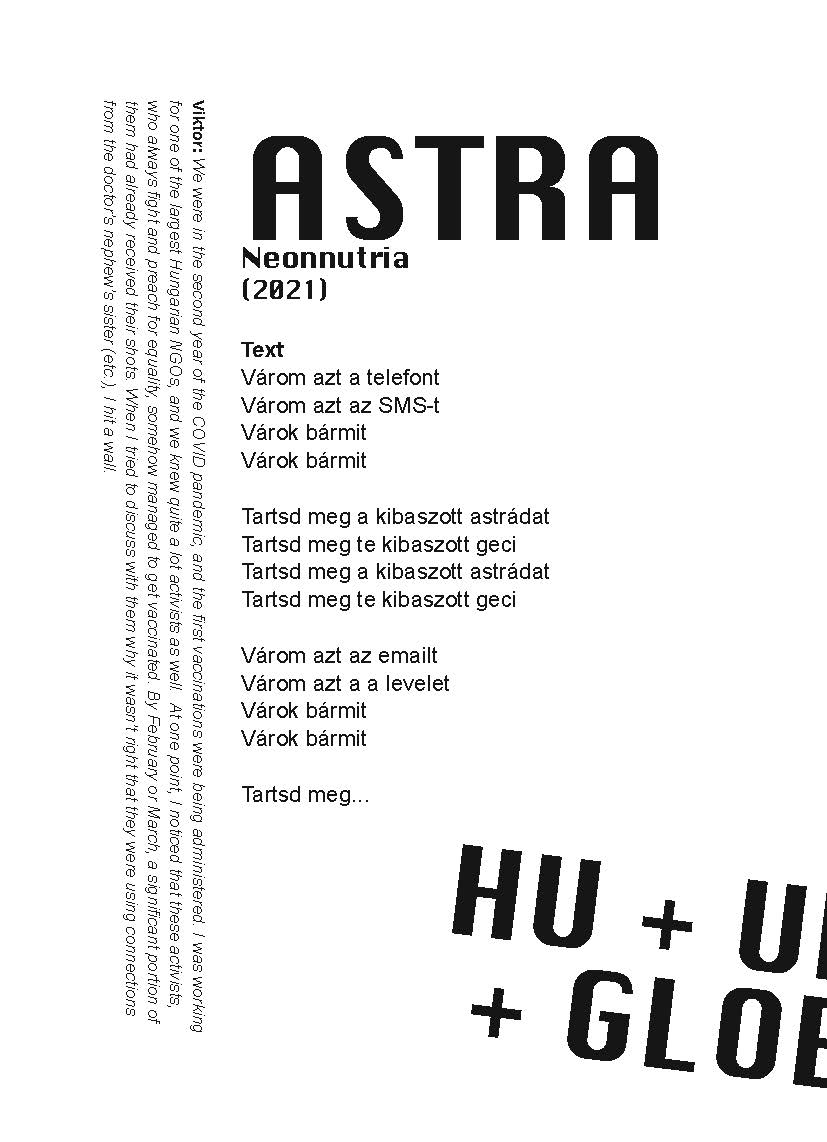
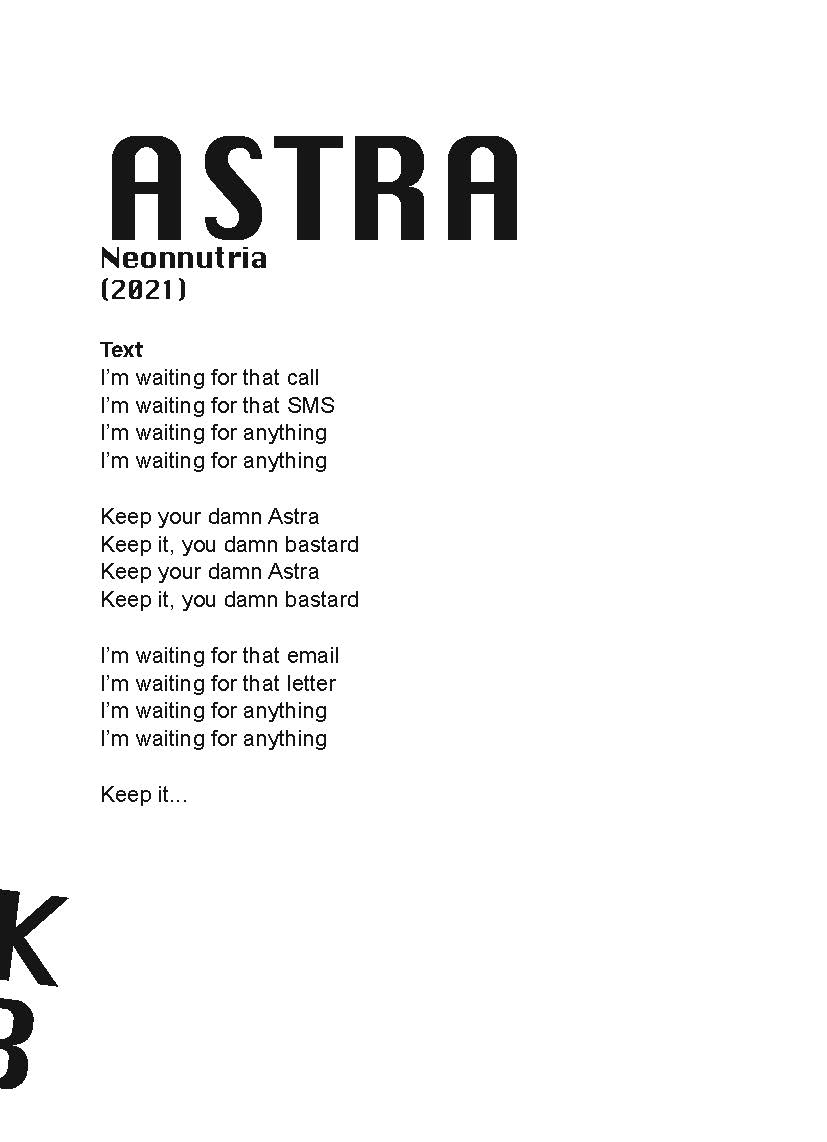
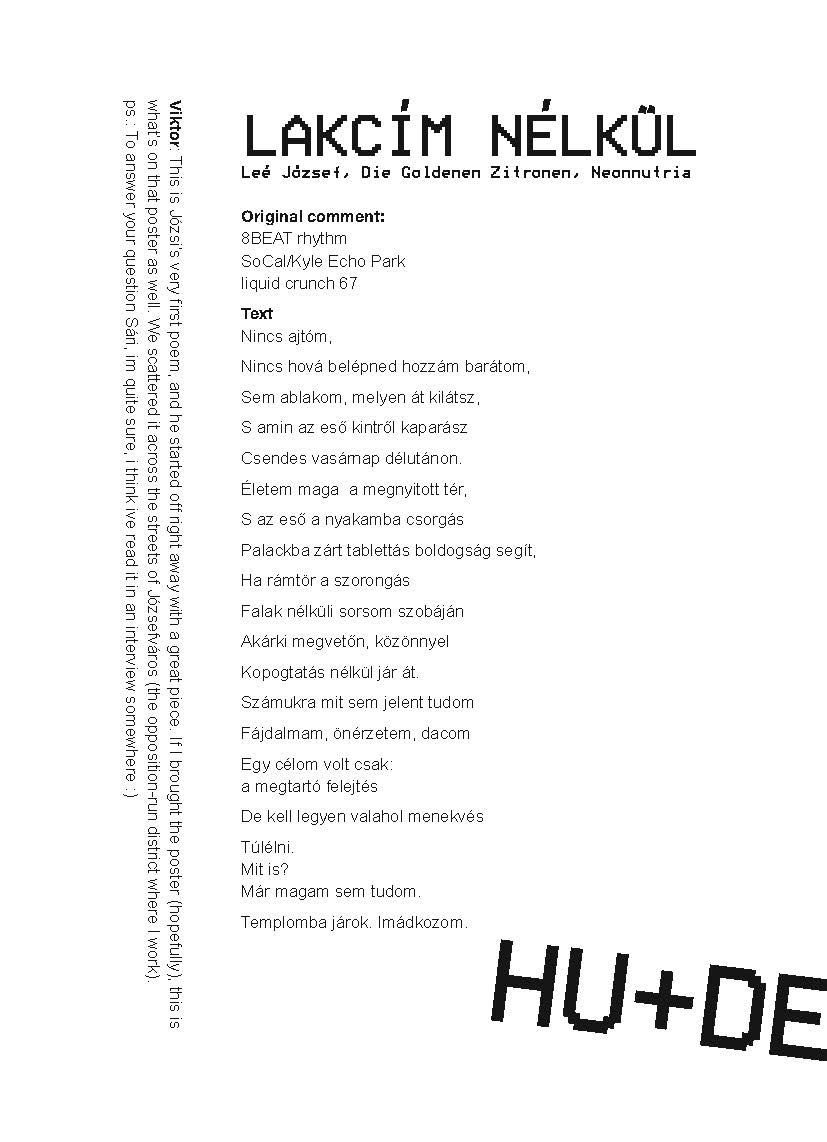
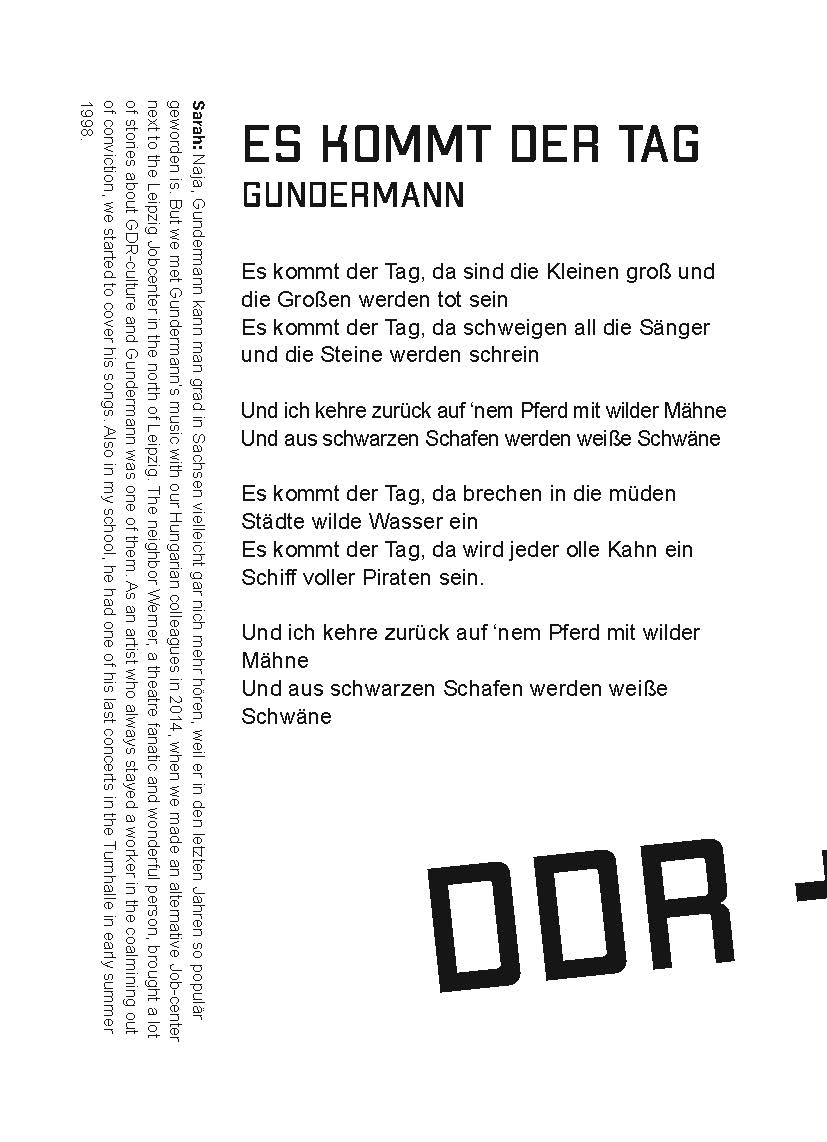
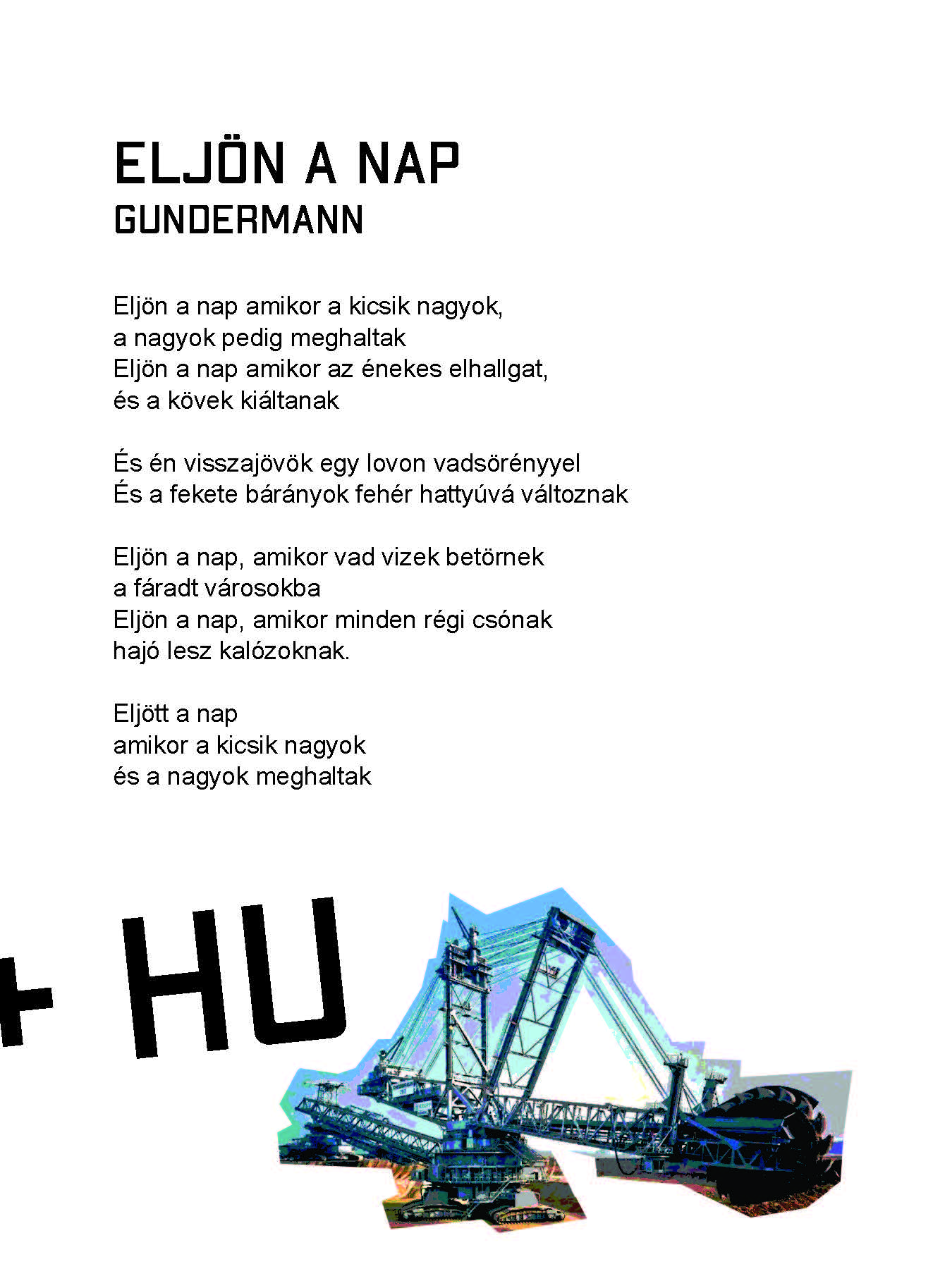
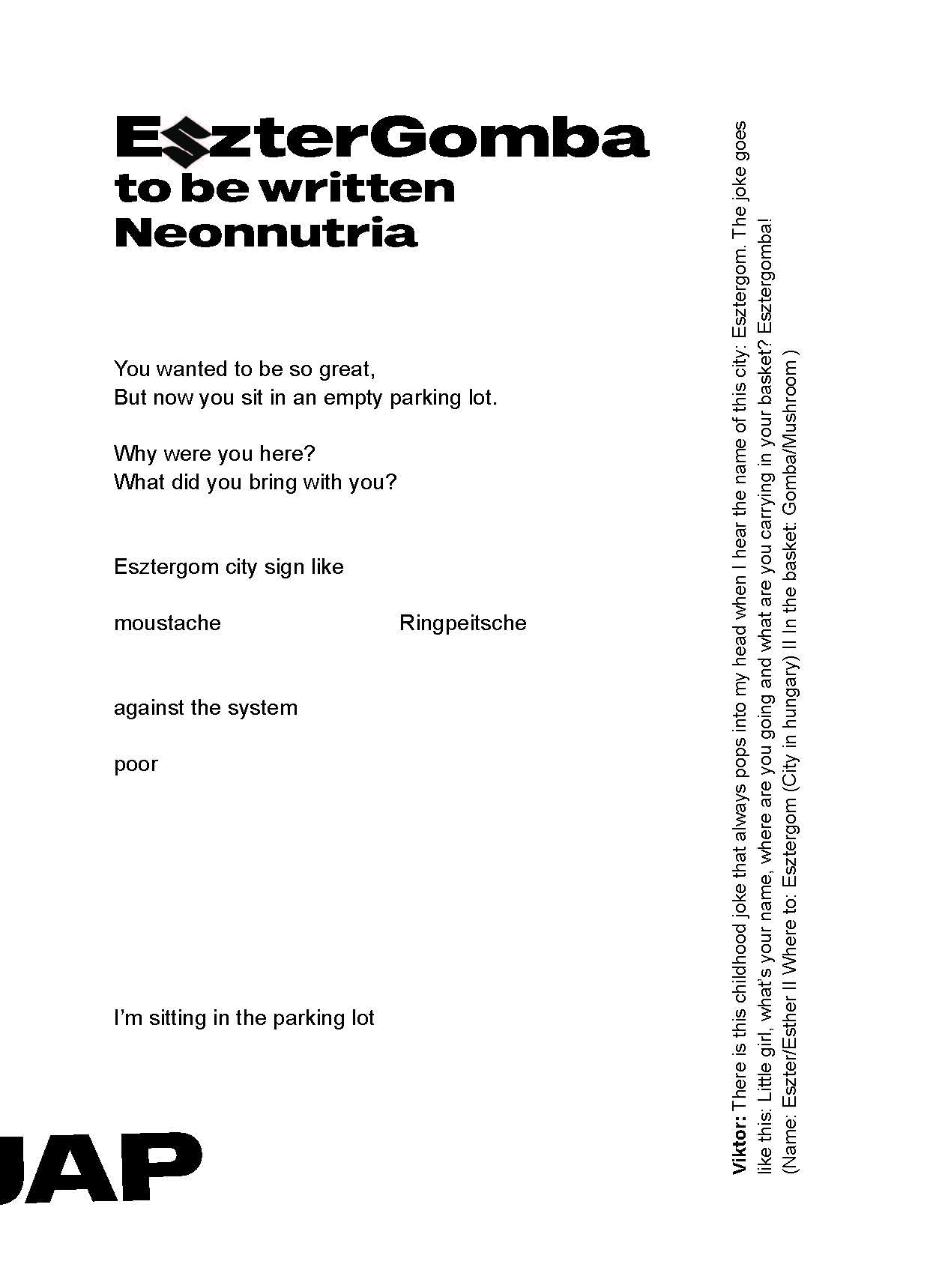
So, there’s a lot going on here, but professionally speaking: We were invited to Leipzig for the open studio weekend to perform a concert in one of the amazing, huge studios. I posted the booklet yesterday, but here the focus is more on the visuals and the presentation. I prepared everything, but since I had to be on stage (I’m the bearded guy), I asked the wonderful Bori if she’d like to handle the projection. Not only did she say yes, but she executed the whole thing with super creativity and courage. When I checked in with her a bit, she said she’d seen enough of these done before.
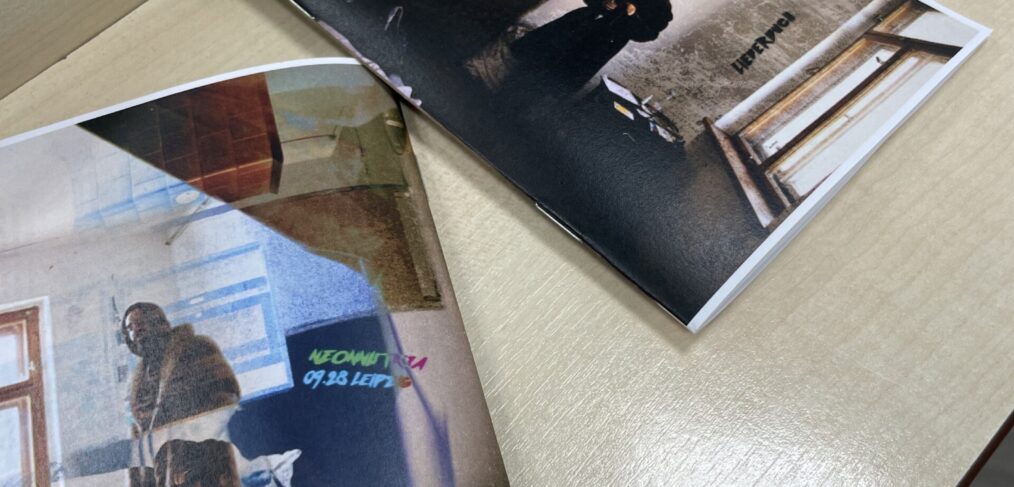
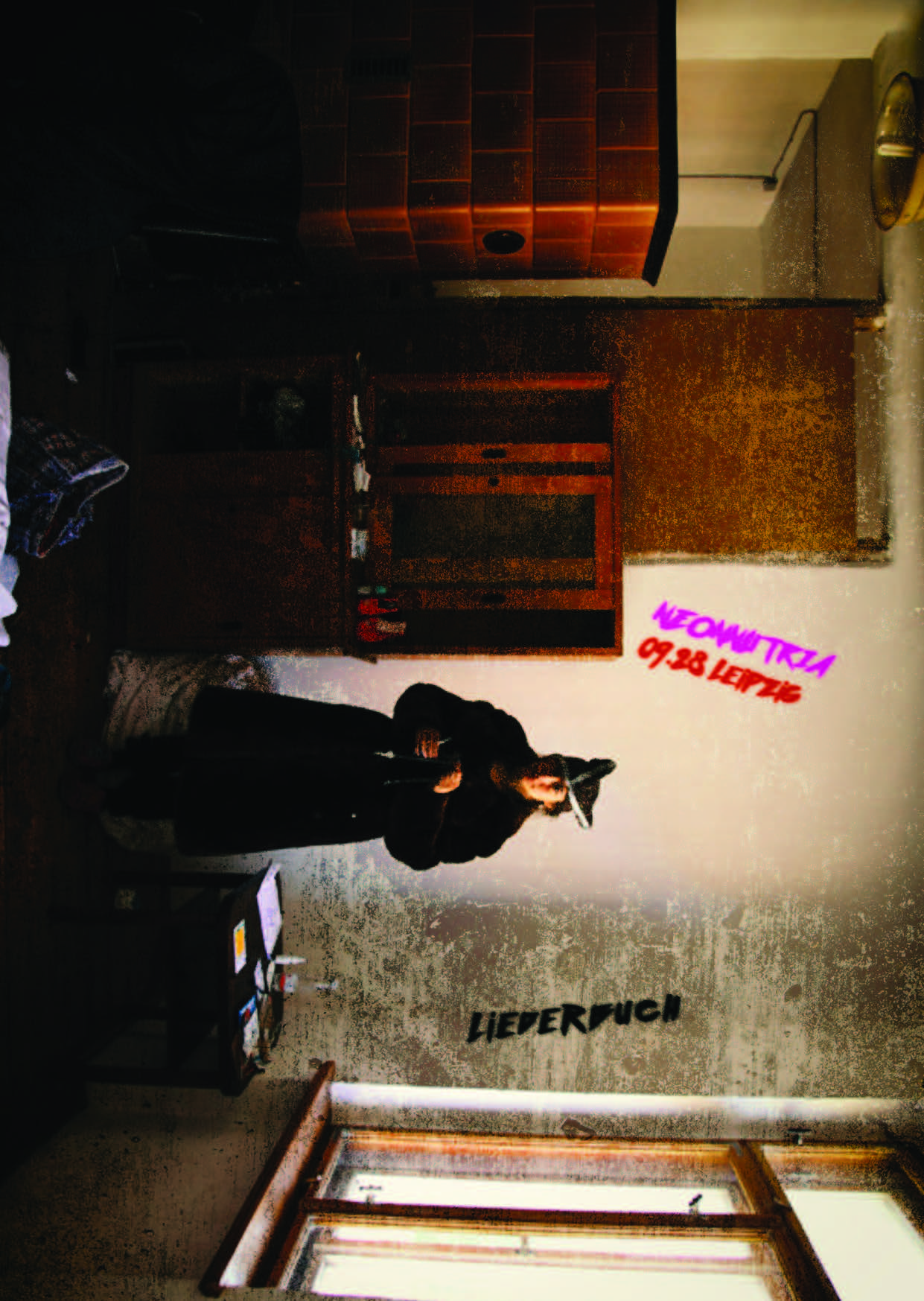
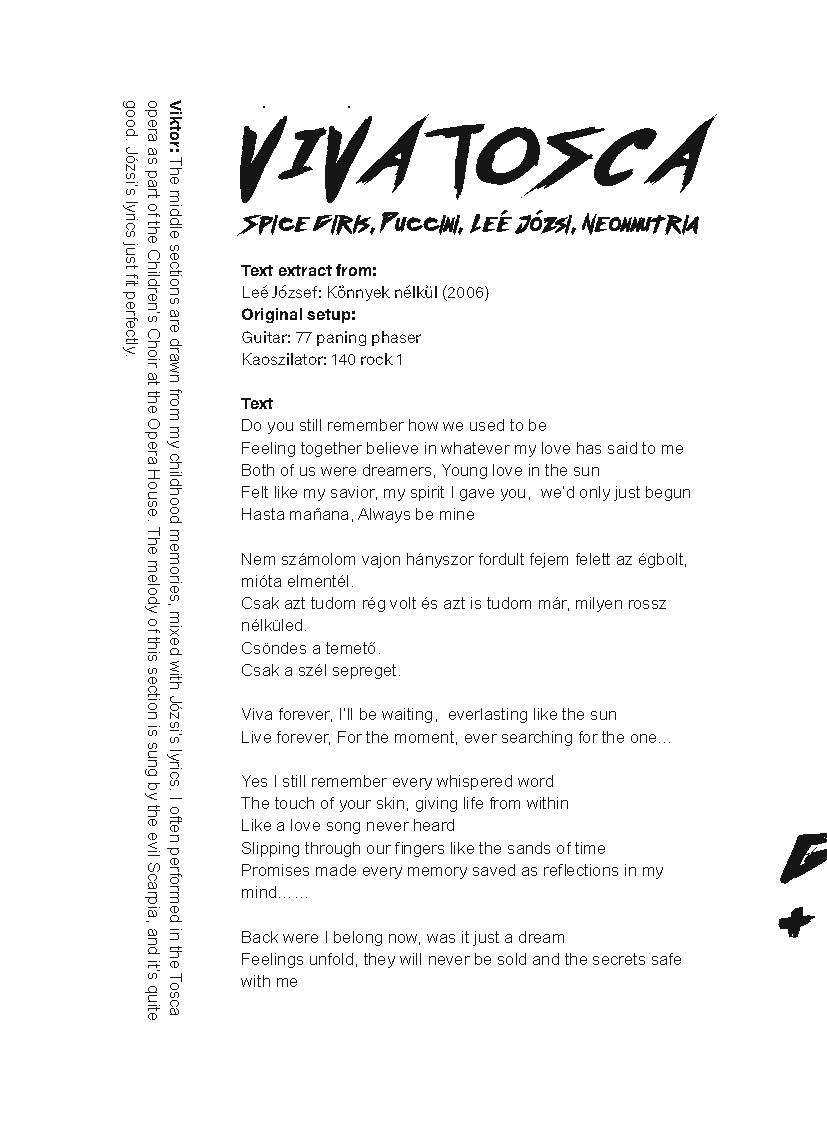
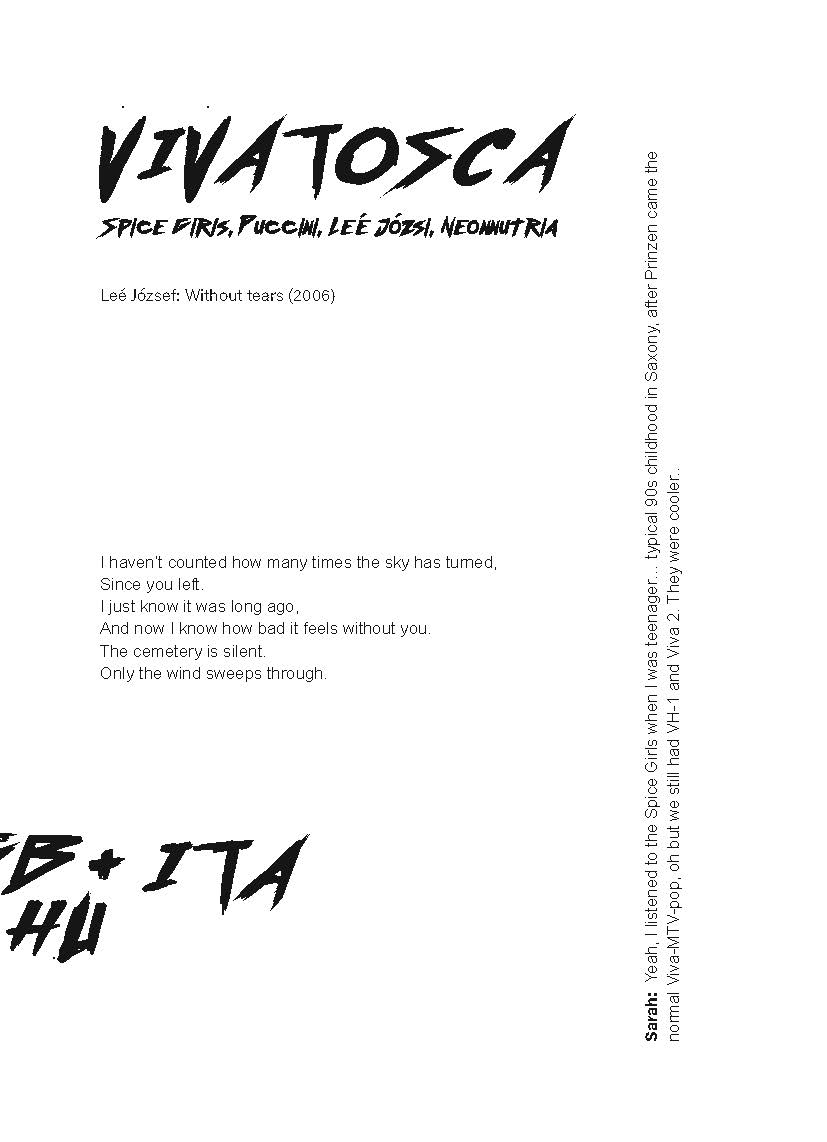
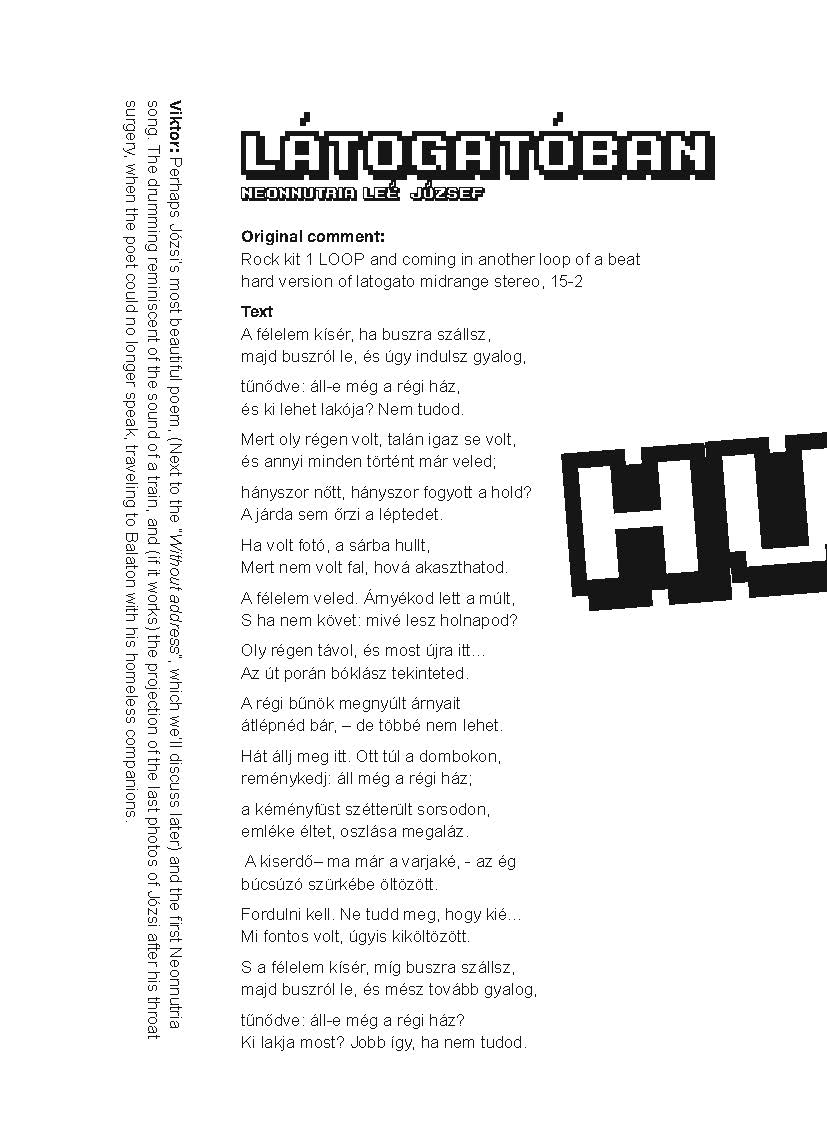
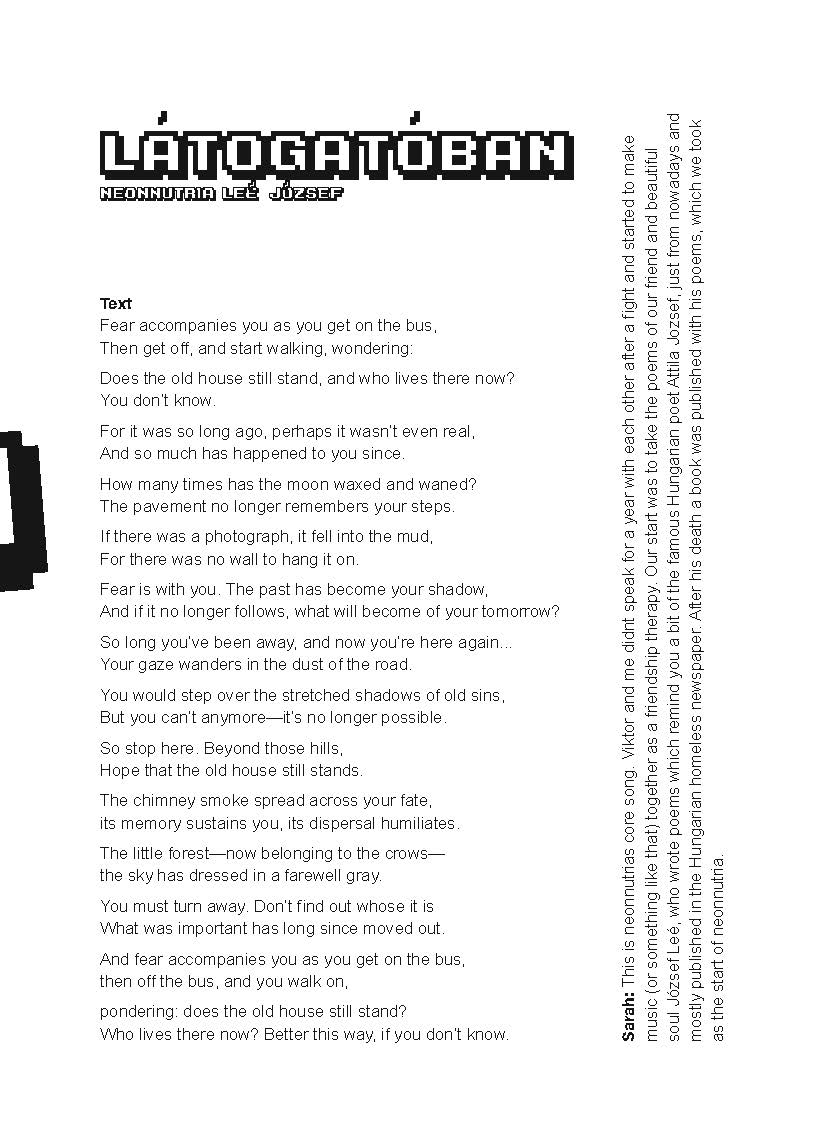
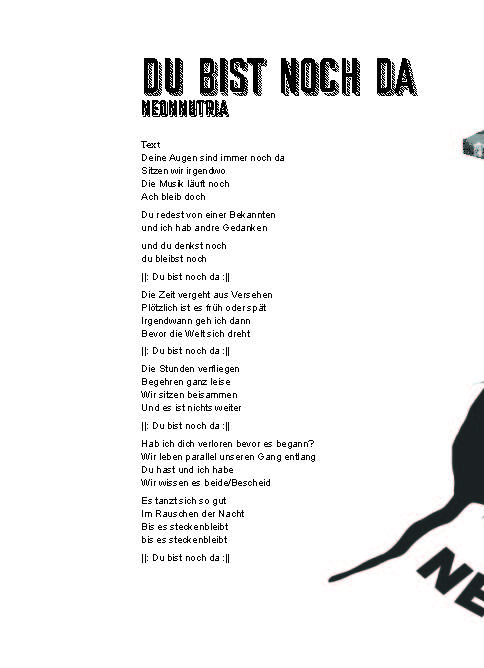
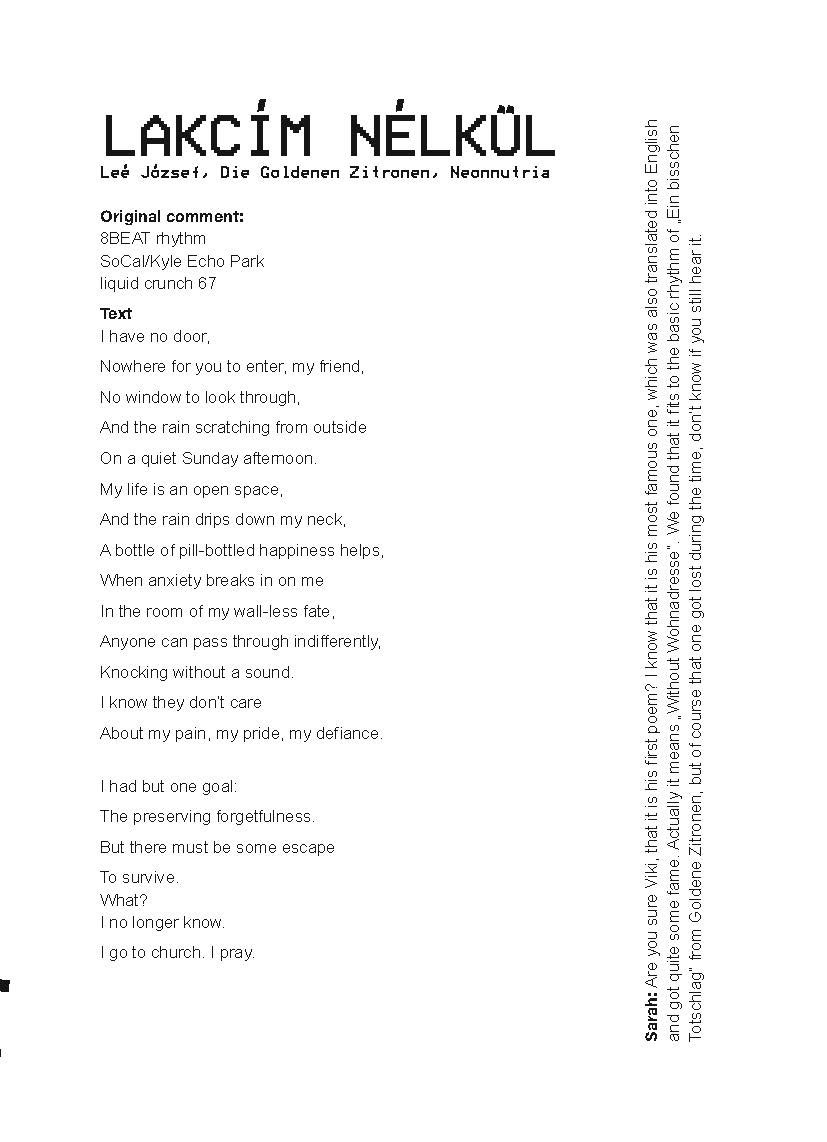
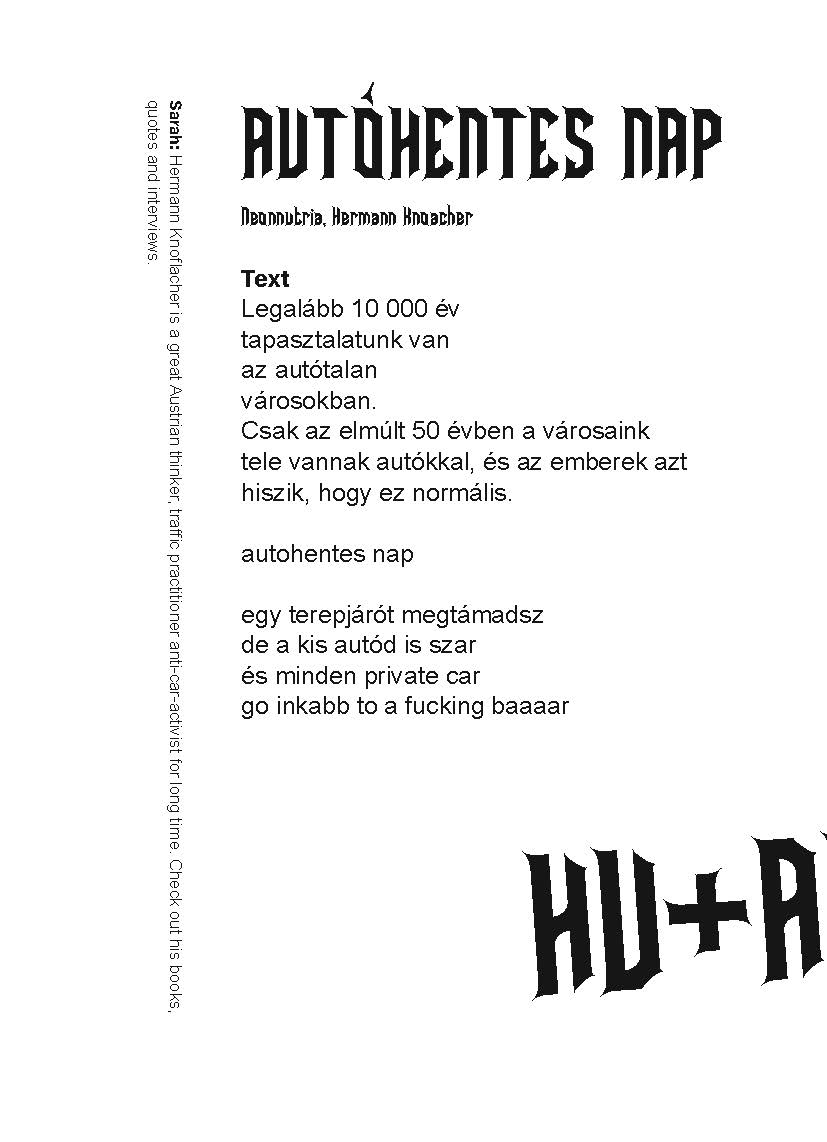
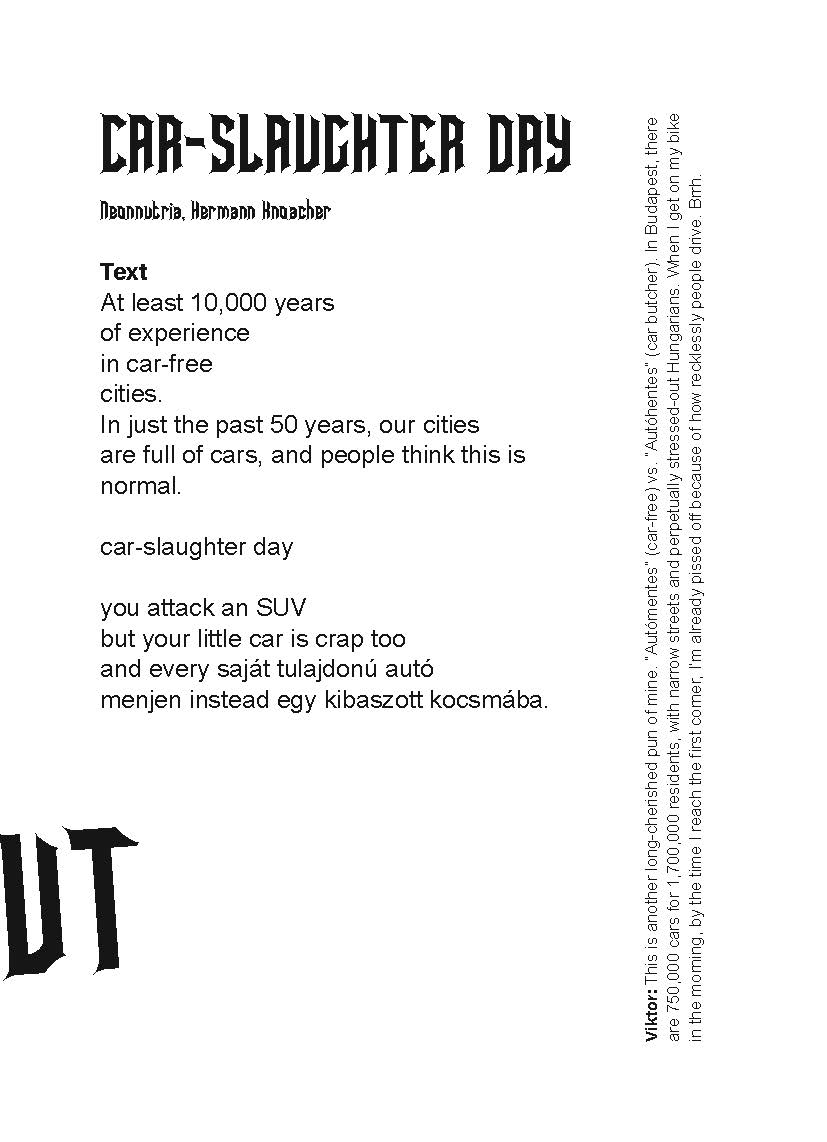
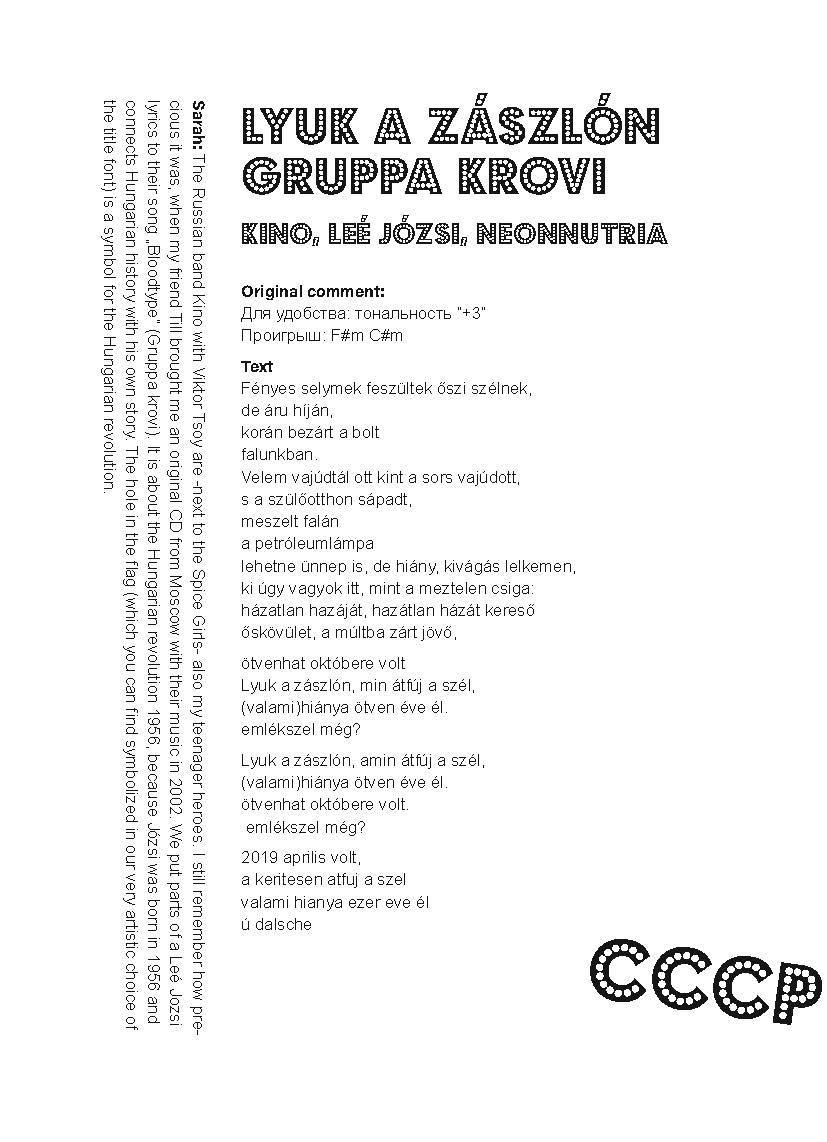
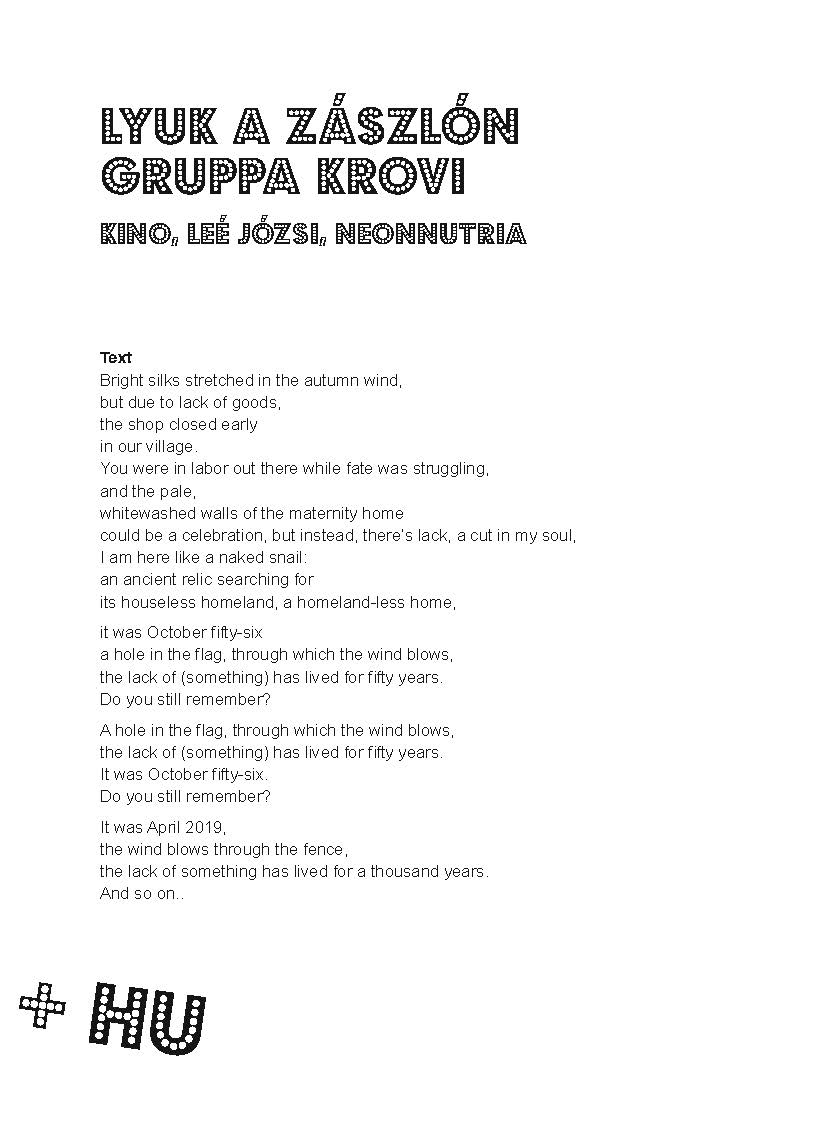
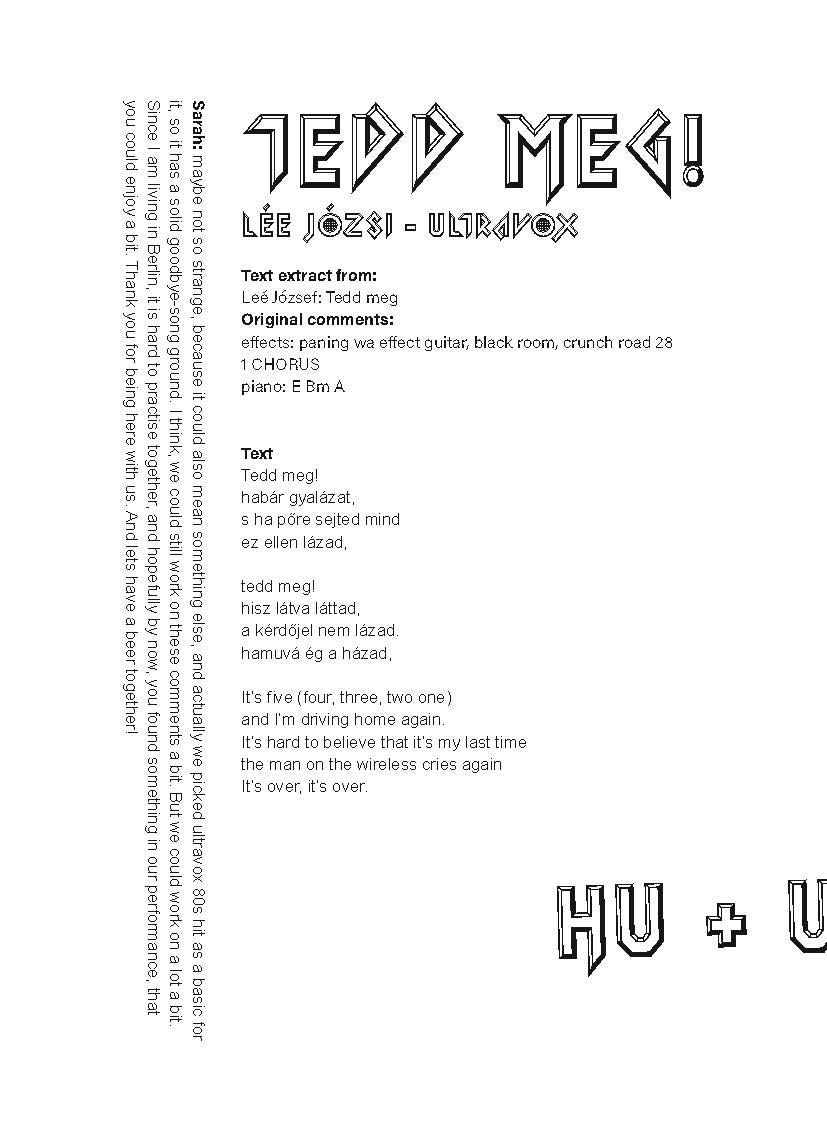
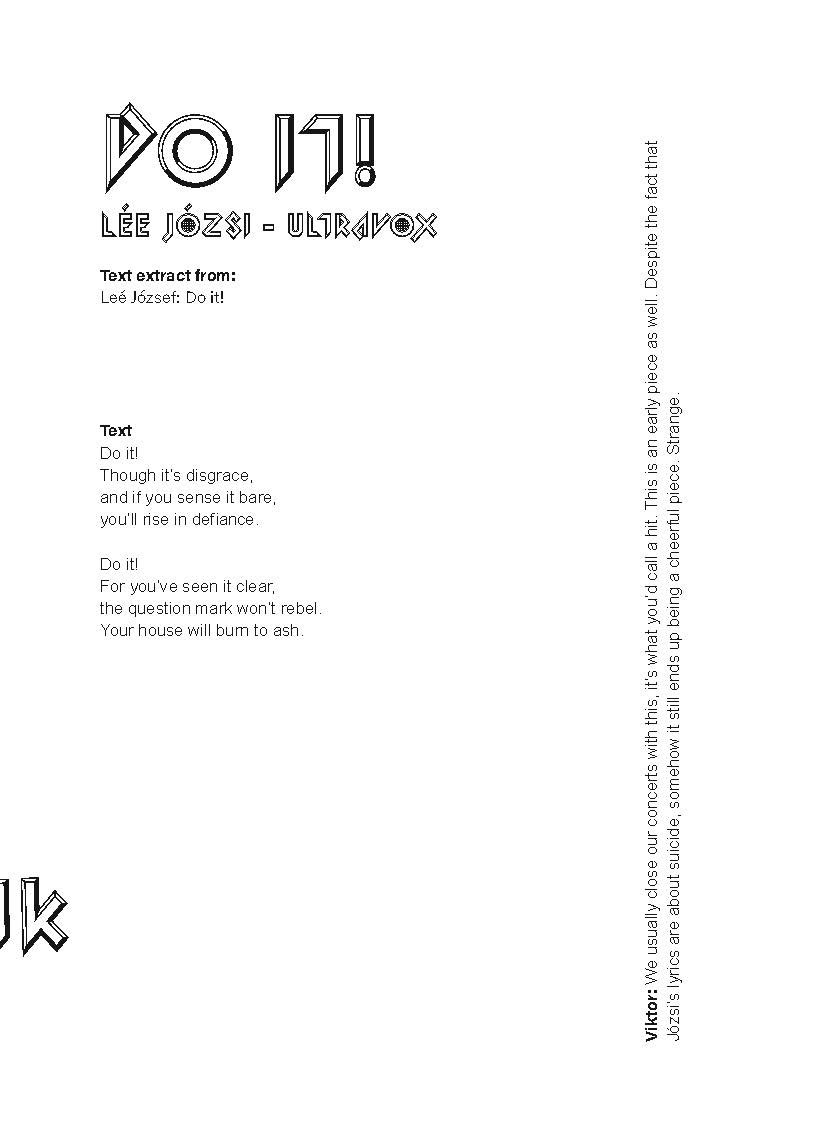
In fact, I wrote the following post earlier, but I already promised in it that I would share this as well. Since the language we’re working with in Neonnutria is quite a jumble, I thought it would make sense to create a booklet that can be flipped through while we babble in Hungarian.
We are actively working at the Community Participation Office to increase the number of public restrooms in Budapest. This short/fast animation is meant to promote our new program, in which bars, pubs, and community spaces can sign up to become public restrooms in exchange for a small sum of money.